



-
Fields of Study
- K-12 Education
- Advanced Anatomy
- Forensics
- Physical Therapy
- Primate Locomotion
- Non-primate Locomotion
- Biological Anthropology
- Paleontology
- Bioarchaeology
- Marine-Aquarium
- Veterinary
-
Zoology
- All Zoological Items
- Endangered Species
- Skulls
- Skeletons
- Cranial Elements
- Postcranial Elements
- Eggs
- Limbs
- Teeth & Fangs
- Claws & Talons
- Brains & Endocasts
- Life Casts
- Pathology & Trauma
- Wildlife Forensics
- Sets
- Bird Sets
- Accessories
- Birds
- Mammals
- Reptiles & Amphibians
- Fish
- Sharks & Rays
- Turtles & Tortoises
- Anatomy for the Artist
- Decor
- Veterinary
- Elements
- Pathology & Trauma
-
Sets & Series
- Natural History Gift Ideas
- Decor
- Scale & Sculpture
- 3D Scanned & Printed
- Bone Boxes
- Locomotion Sets
- Forensic Sets
- Advanced Anatomy Sets
- Physical Therapy Series
- Fetal Sets
- Economy Series
- Zoology Sets
- Bird Sets
- Claw & Talon Sets
- Tooth & Fang Sets
- Primate Skull Sets
- Fossil Hominid Sets
- B.I.O.P.S.I. - Babiarz Institute
- Maxwell Collection
- Bergdorf Goodman Windows
- Accessories
- New Products
-
Our Company
- News & Specials
- Printable Handouts
- About Us
- Why Choose Bone Clones
- Bone Clones in the News
- Mission
- Contact Us
- Privacy and Security
- FAQs
- Testimonials
- Community Outreach
- Legal/Copyright
- Flyers
- Choosing Original Specimens
- Museum Exhibitions
- Natural History Gift Ideas
- About the Economy Series
- Acknowledgements
- Ordering & Delivery
- Warranty
- Refund/Return Policy
- Osteological Evaluation Reports
- About 3D Printing
- Sawyer & Maley Neanderthal Reconstruction
- Newsletter Archive
-
Human Anatomy
- All Human Anatomy
- Human Skulls
- Human Skeletons
- Head & Neck
- Postcranial Elements
- Advanced Anatomy
- Physical Therapy / Joints
- Human Brains & Endocast
- Human Life Casts
- Maxwell Museum
- Sets & Series
- Accessories
- Osteological Evaluation Reports
- Featured
- Adult Human Anatomy
- Adolescent Human Anatomy
- Child Human Anatomy
- Fetal Human Anatomy
-
Zoology
- All Zoological Items
- Endangered Species
- Skulls
- Skeletons
- Cranial Elements
- Postcranial Elements
- Eggs
- Limbs
- Teeth & Fangs
- Claws & Talons
- Brains & Endocasts
- Life Casts
- Pathology & Trauma
- Wildlife Forensics
- Sets
- Bird Sets
- Accessories
- Birds
- Mammals
- Reptiles & Amphibians
- Fish
- Sharks & Rays
- Turtles & Tortoises
- Fossil Hominids
- Paleontology
- Non-human Primates
- Forensics
All items sold on this website are replicas; no real/natural bone is available on this site. Bone Clones® are 1:1 scale unless stated otherwise. All Bone Clones® products are made in the USA.
- Mammal ,
- Fruit Bat ,
- Bat ,
- veterinary
 ALSO SEE:
 button in the upper-right to email it.
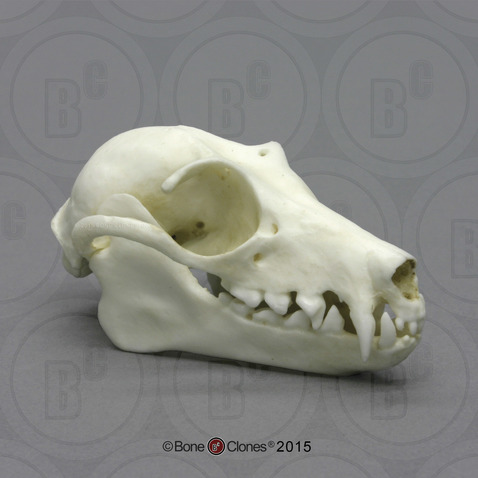
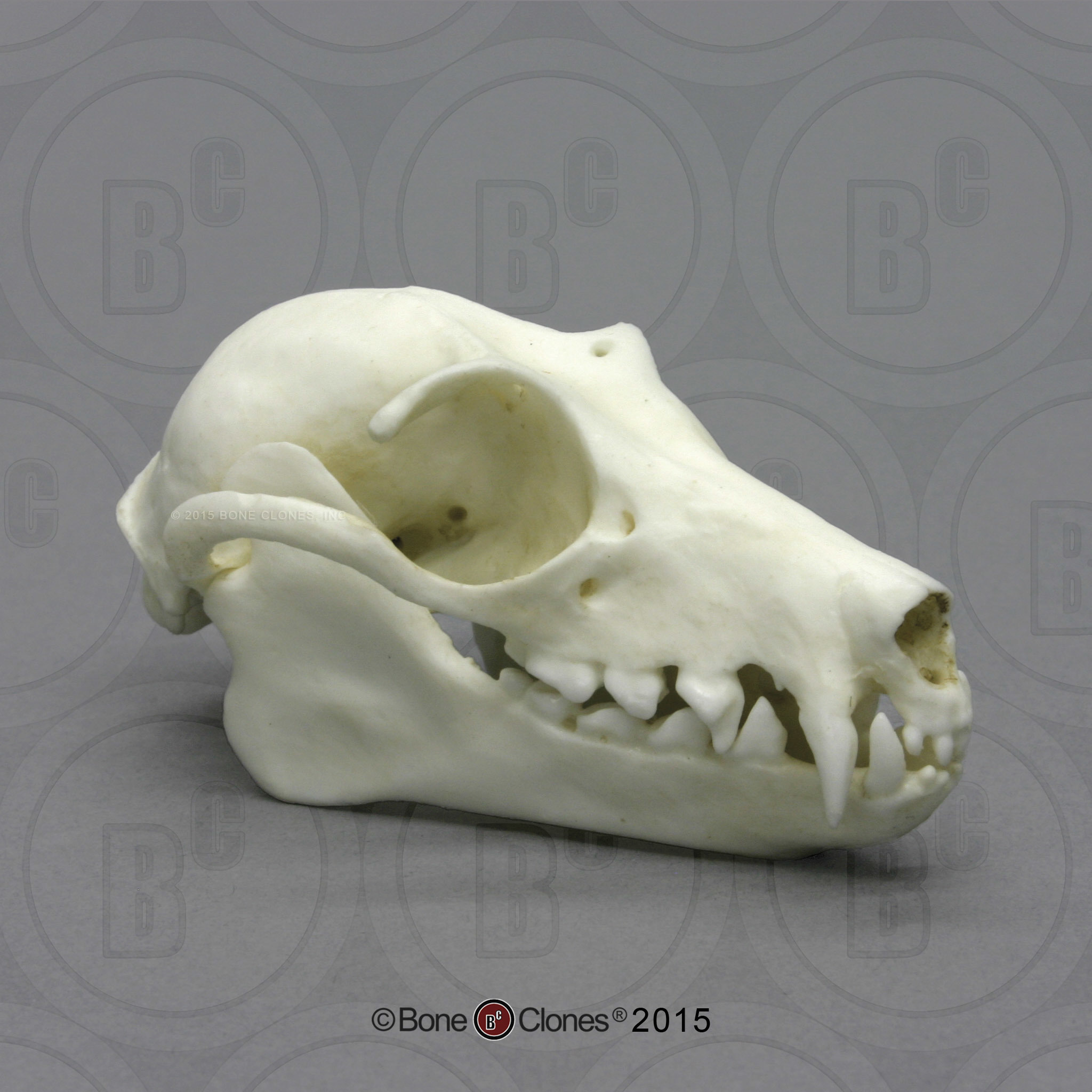
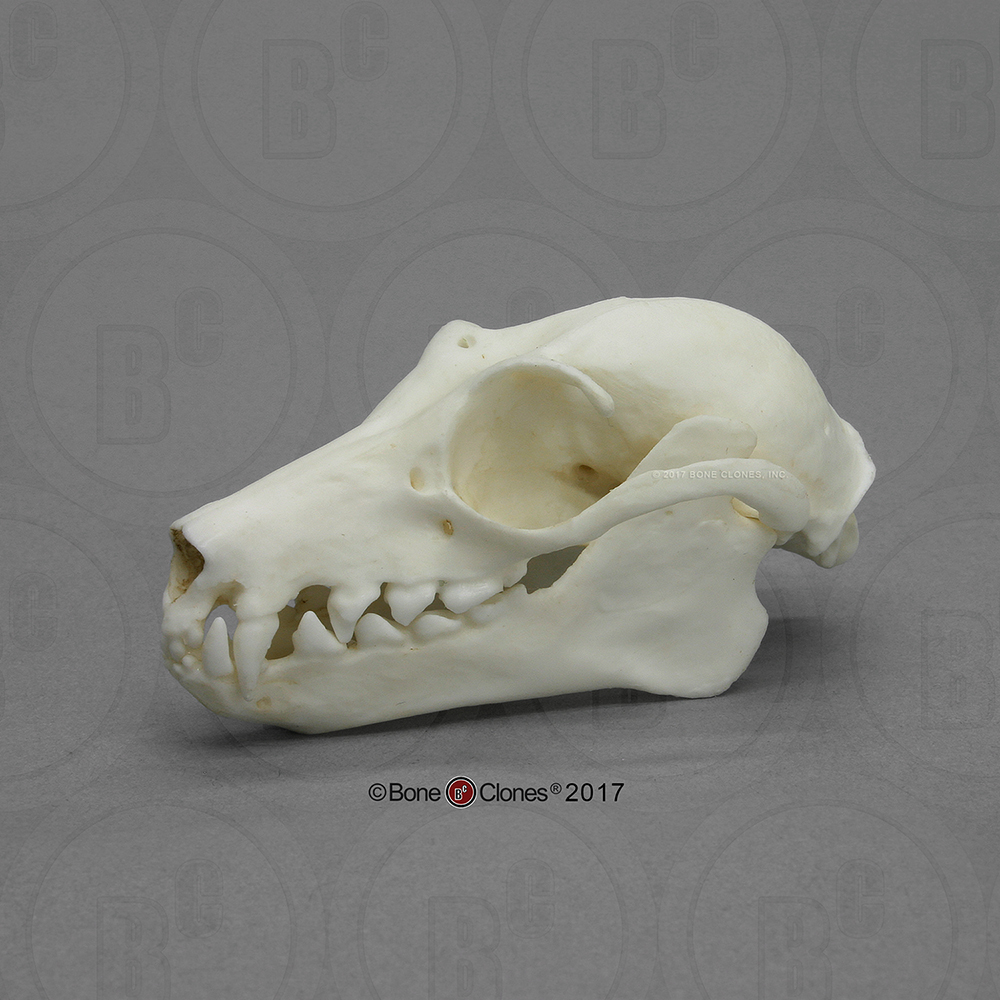
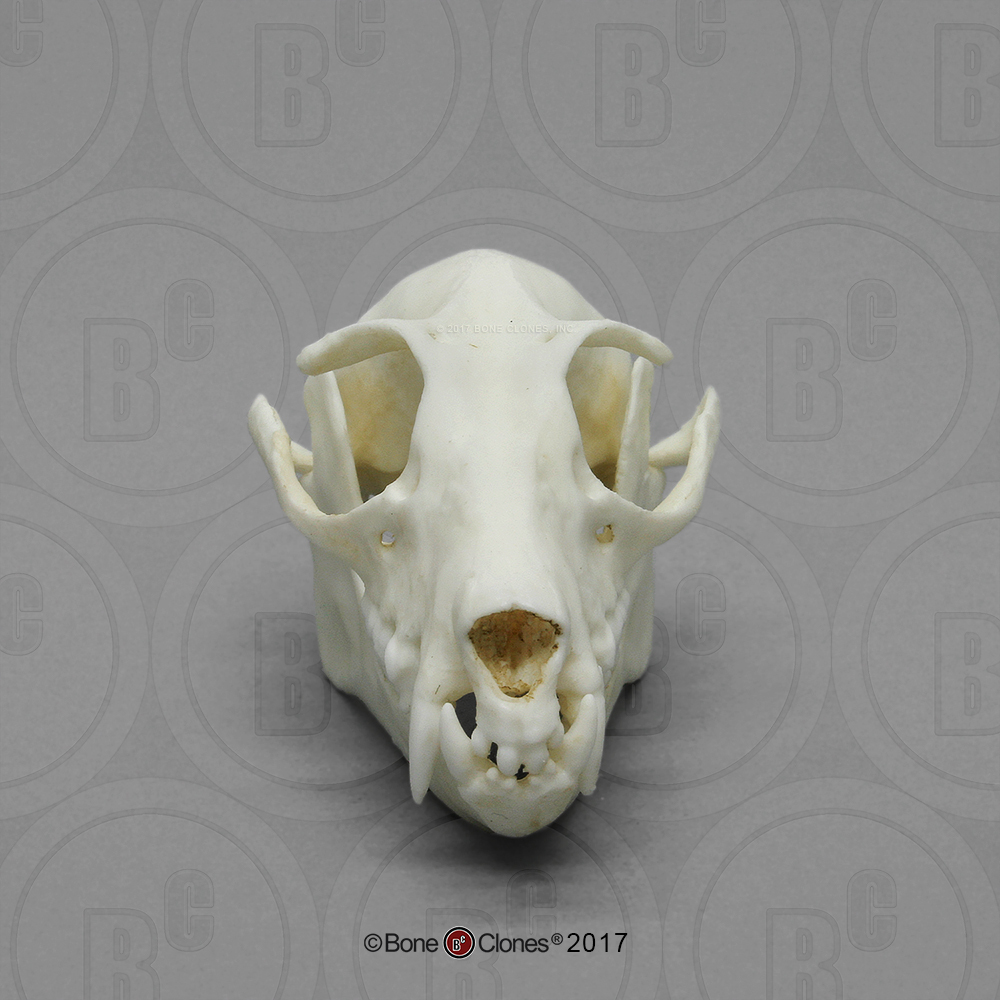
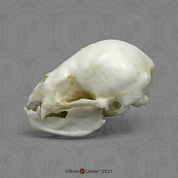
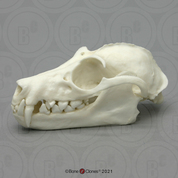
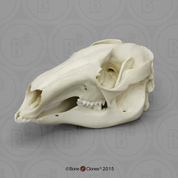
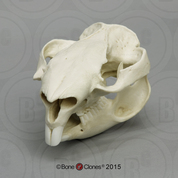
Fruit Bat Skull
BC-007 $107.00
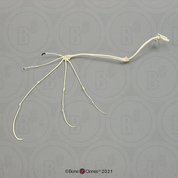
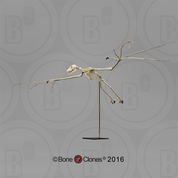
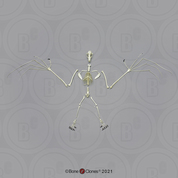
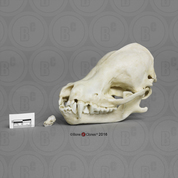
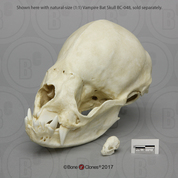
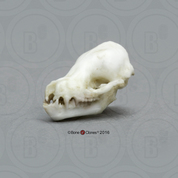
Pteropus poliocephalus is also known as the grey-headed flying fox. It is found along the Australian coast. Bats are the only mammals to have evolved true flight. They use their legs, as well as their wings, to help them fly. Arboreal creatures, these bats sleep in colonies and emerge at dawn and dusk to feed solely on fruit. Because of this, they cannot be imported into the United States for fear they may damage fruit crops. A classification of bats by diet would include these categories: insectivorous, fruit-eating, flower-feeding, true vampire, carnivorous and fish-eating. 2-part skull (separate cranium & jaw).
| Scientific Name | Catalogue # | Size | Price |
| Pteropus poliocephalus | BC-007 | 2 ¾" L x 1 ½" W x 1 ½" H 6.8L x 3.5W x 3.3H (cm) | $107.00 |
Newsletter Signup


9200 Eton Ave.
Chatsworth, CA 91311 USA
© 1992-2026 Bone Clones Holdings. All Rights Reserved.


Customer Service




© 2026 BONE CLONES HOLDINGS / Made by MEV