



-
Fields of Study
- K-12 Education
- Advanced Anatomy
- Forensics
- Physical Therapy
- Primate Locomotion
- Non-primate Locomotion
- Biological Anthropology
- Paleontology
- Bioarchaeology
- Marine-Aquarium
- Veterinary
-
Zoology
- All Zoological Items
- Endangered Species
- Skulls
- Skeletons
- Cranial Elements
- Postcranial Elements
- Eggs
- Limbs
- Teeth & Fangs
- Claws & Talons
- Brains & Endocasts
- Life Casts
- Pathology & Trauma
- Wildlife Forensics
- Sets
- Bird Sets
- Accessories
- Birds
- Mammals
- Reptiles & Amphibians
- Fish
- Sharks & Rays
- Turtles & Tortoises
- Anatomy for the Artist
- Decor
- Veterinary
- Elements
- Pathology & Trauma
-
Sets & Series
- Natural History Gift Ideas
- Decor
- Scale & Sculpture
- 3D Scanned & Printed
- Bone Boxes
- Locomotion Sets
- Forensic Sets
- Advanced Anatomy Sets
- Physical Therapy Series
- Fetal Sets
- Economy Series
- Zoology Sets
- Bird Sets
- Claw & Talon Sets
- Tooth & Fang Sets
- Primate Skull Sets
- Fossil Hominid Sets
- B.I.O.P.S.I. - Babiarz Institute
- Maxwell Collection
- Bergdorf Goodman Windows
- Accessories
- New Products
-
Our Company
- News & Specials
- Printable Handouts
- About Us
- Why Choose Bone Clones
- Bone Clones in the News
- Mission
- Contact Us
- Privacy and Security
- FAQs
- Testimonials
- Community Outreach
- Legal/Copyright
- Flyers
- Choosing Original Specimens
- Museum Exhibitions
- Natural History Gift Ideas
- About the Economy Series
- Acknowledgements
- Ordering & Delivery
- Warranty
- Refund/Return Policy
- Osteological Evaluation Reports
- About 3D Printing
- Sawyer & Maley Neanderthal Reconstruction
- Newsletter Archive
-
Human Anatomy
- All Human Anatomy
- Human Skulls
- Human Skeletons
- Head & Neck
- Postcranial Elements
- Advanced Anatomy
- Physical Therapy / Joints
- Human Brains & Endocast
- Human Life Casts
- Maxwell Museum
- Sets & Series
- Accessories
- Osteological Evaluation Reports
- Featured
- Adult Human Anatomy
- Adolescent Human Anatomy
- Child Human Anatomy
- Fetal Human Anatomy
-
Zoology
- All Zoological Items
- Endangered Species
- Skulls
- Skeletons
- Cranial Elements
- Postcranial Elements
- Eggs
- Limbs
- Teeth & Fangs
- Claws & Talons
- Brains & Endocasts
- Life Casts
- Pathology & Trauma
- Wildlife Forensics
- Sets
- Bird Sets
- Accessories
- Birds
- Mammals
- Reptiles & Amphibians
- Fish
- Sharks & Rays
- Turtles & Tortoises
- Fossil Hominids
- Paleontology
- Non-human Primates
- Forensics
All items sold on this website are replicas; no real/natural bone is available on this site. Bone Clones® are 1:1 scale unless stated otherwise. All Bone Clones® products are made in the USA.
- Sabertooth ,
- Fossil Cat ,
- Chinese ,
- Matrix
 ALSO SEE:
 button in the upper-right to email it.
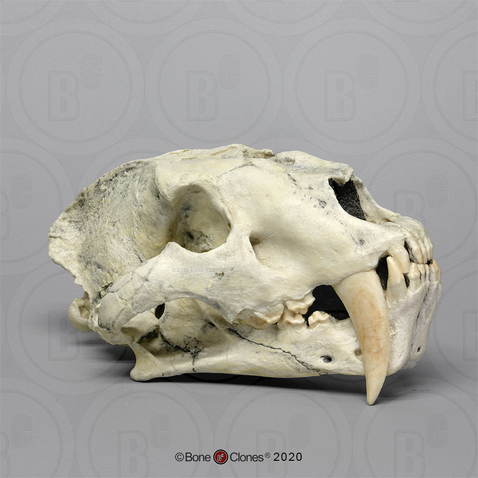
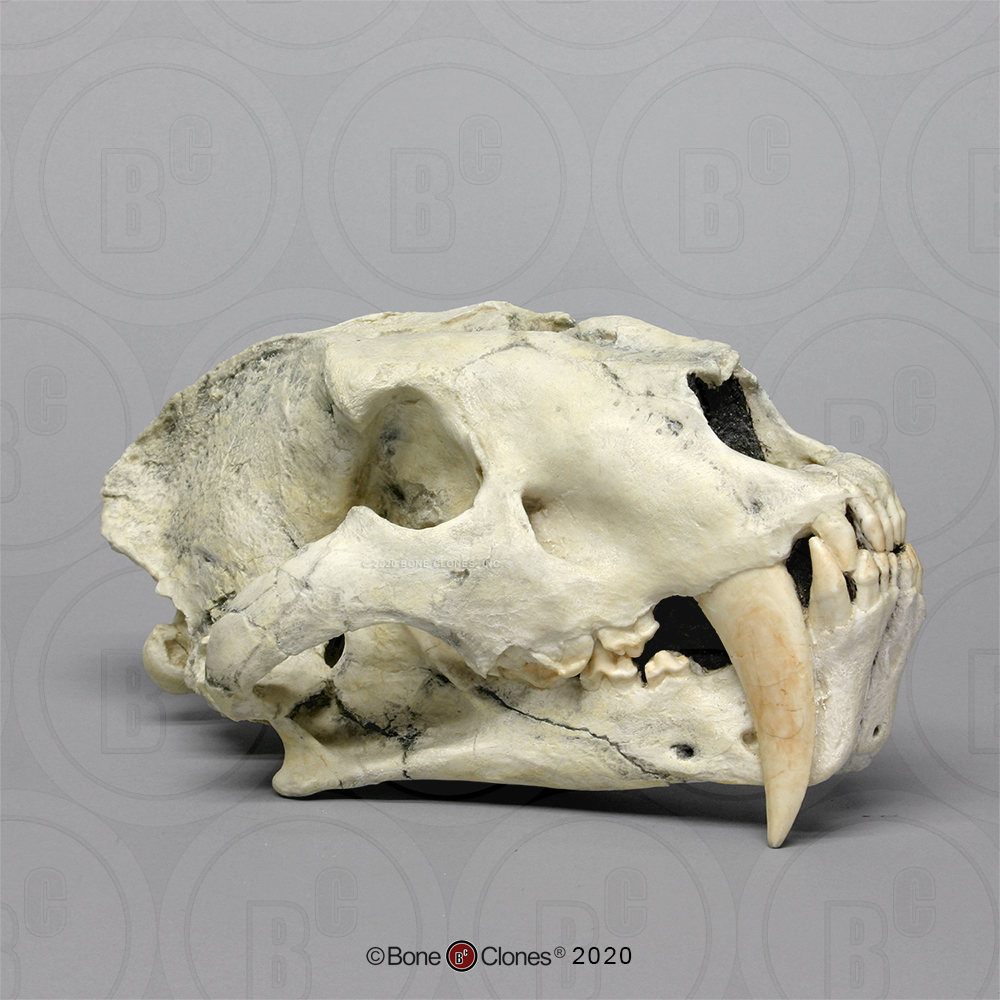
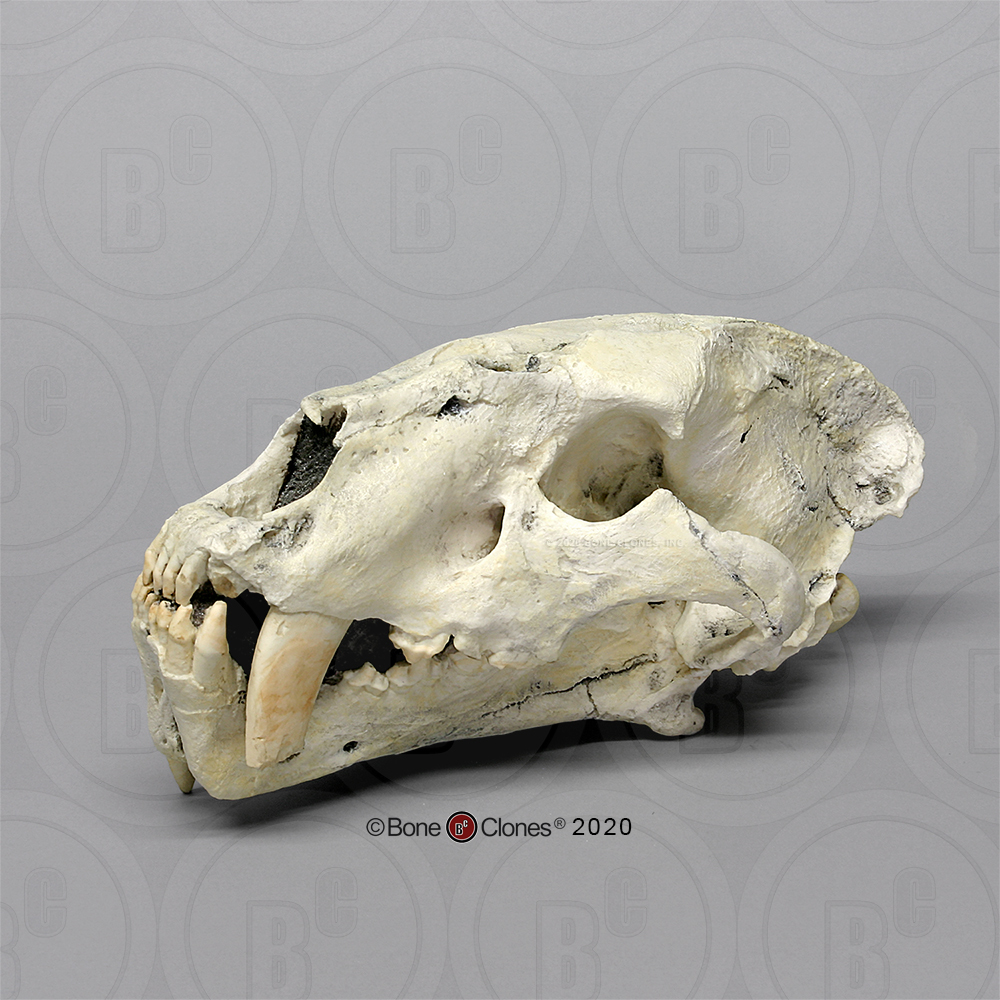
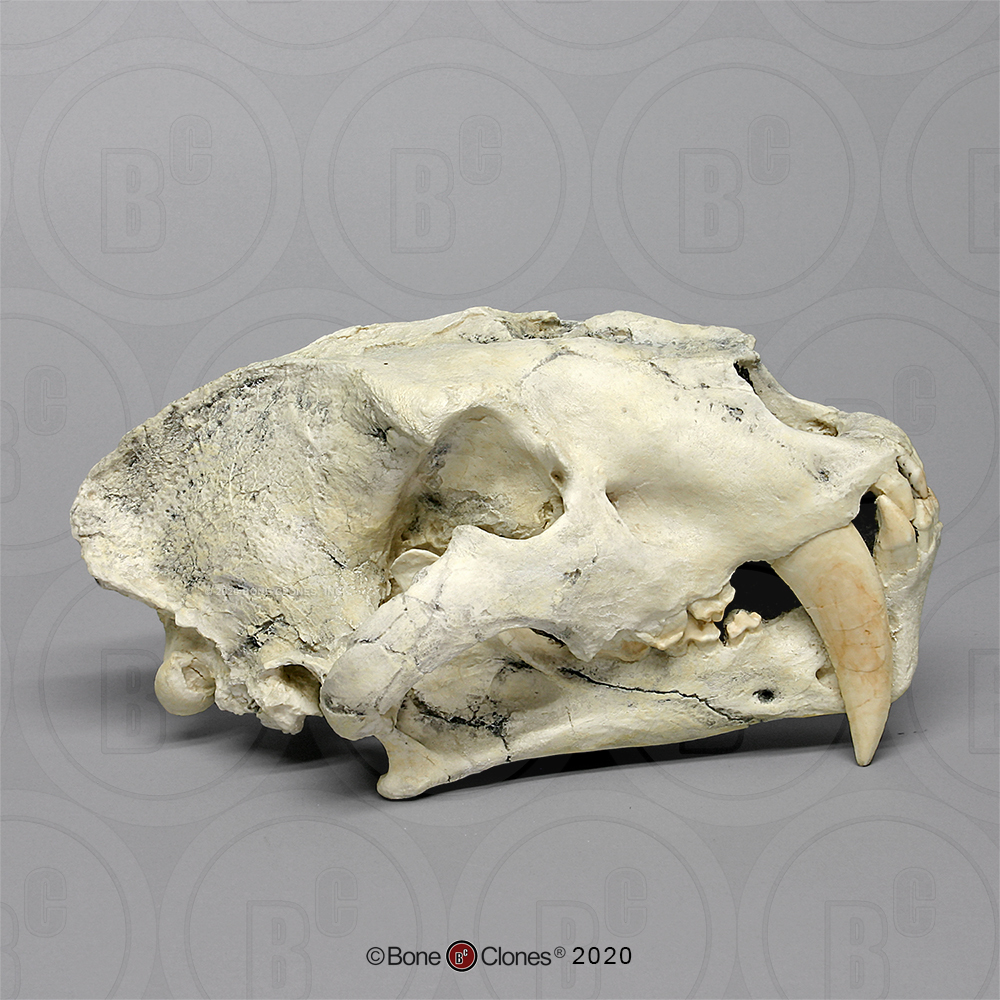
Sabertooth Cat, Chinese Amphimachairodus giganteus Skull
BC-102 $413.00
Amphimachairodus giganteus. Age: Late Miocene, China. In matrix as shown. This cat lived approximately 4.5 to 5 million years ago and was about the size of a lion, but with a longer muzzle and narrower skull. Amphimachairodus is an excellent example of a saber-toothed cat. Found throughout the world, this Eurasian species had coarse serrations on its incisors, sabers and carnassials. Interestingly, this particular specimen, when alive, had a severe nasal infection and a broken and worn left saber. As a result, its condition may have diminished its capability to hunt and kill its prey. We are grateful to the Babiarz Institute of Paleontological Studies for the opportunity to cast this individual. 1-part skull (cranium and jaw cast as one piece).
| Scientific Name | Catalogue # | Size | Price |
| Amphimachairodus giganteus | BC-102 | 14" L x 7 ½" W x 6 ¾" H 36L x 19.1W X 17.3H (cm) | $413.00 |
Related Products:
-
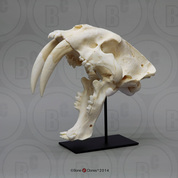 Sabertooth Cat, Smilodon Skull Antique Finish
 -
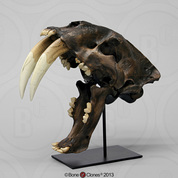 Sabertooth Cat, Smilodon Skull Tarpit Finish
 -
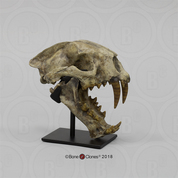 Dinictis Skull
 -
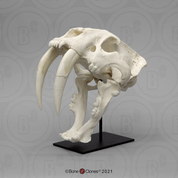 Sabertooth Cat, Deluxe Smilodon Skull Antique Finish
 -
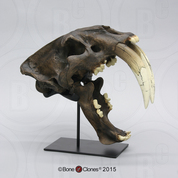 Sabertooth Cat, Deluxe Smilodon Skull Tarpit Finish
 -
 Sabertooth Cat, South American Smilodon populator Skull
 -
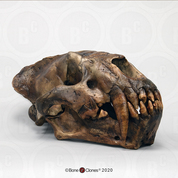 Sabertooth Cat, Xenosmilus hodsonae Skull
 -
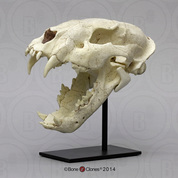 Sabertooth Cat, Juvenile Amphimachairodus giganteus Skull
 -
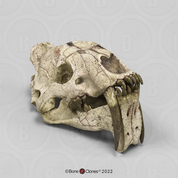 Sabertooth Cat, Eusmilus sicarius Skull
 -
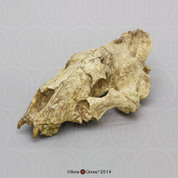 Cat-like Hoplophoneus dakotensis Cranium
 -
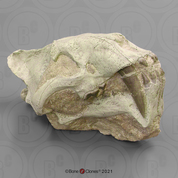 Cat-like Hoplophoneus occidentalis Skull in matrix
 -
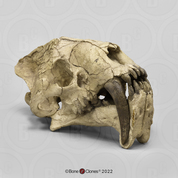 Cat-like Hoplophoneus occidentalis Skull
 -
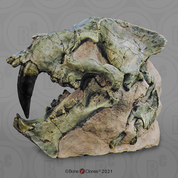 Cat-like Hoplophoneus primaevus Skull in matrix
 -
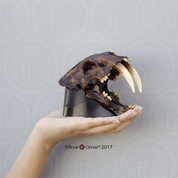 Sabertooth Cat, Smilodon Skull, 1:3 Scale
 -
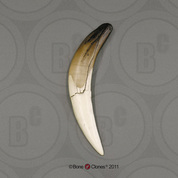 Sabertooth Cat, Deluxe Smilodon Saber (single)
Newsletter Signup


9200 Eton Ave.
Chatsworth, CA 91311 USA
© 1992-2026 Bone Clones Holdings. All Rights Reserved.


Customer Service




© 2026 BONE CLONES HOLDINGS / Made by MEV