



-
Fields of Study
- K-12 Education
- Advanced Anatomy
- Forensics
- Physical Therapy
- Primate Locomotion
- Non-primate Locomotion
- Biological Anthropology
- Paleontology
- Bioarchaeology
- Marine-Aquarium
- Veterinary
-
Zoology
- All Zoological Items
- Endangered Species
- Skulls
- Skeletons
- Cranial Elements
- Postcranial Elements
- Eggs
- Limbs
- Teeth & Fangs
- Claws & Talons
- Brains & Endocasts
- Life Casts
- Pathology & Trauma
- Wildlife Forensics
- Sets
- Bird Sets
- Accessories
- Birds
- Mammals
- Reptiles & Amphibians
- Fish
- Sharks & Rays
- Turtles & Tortoises
- Anatomy for the Artist
- Decor
- Veterinary
- Elements
- Pathology & Trauma
-
Sets & Series
- Natural History Gift Ideas
- Decor
- Scale & Sculpture
- 3D Scanned & Printed
- Bone Boxes
- Locomotion Sets
- Forensic Sets
- Advanced Anatomy Sets
- Physical Therapy Series
- Fetal Sets
- Economy Series
- Zoology Sets
- Bird Sets
- Claw & Talon Sets
- Tooth & Fang Sets
- Primate Skull Sets
- Fossil Hominid Sets
- B.I.O.P.S.I. - Babiarz Institute
- Maxwell Collection
- Bergdorf Goodman Windows
- Accessories
- New Products
-
Our Company
- News & Specials
- Printable Handouts
- About Us
- Why Choose Bone Clones
- Bone Clones in the News
- Mission
- Contact Us
- Privacy and Security
- FAQs
- Testimonials
- Community Outreach
- Legal/Copyright
- Flyers
- Choosing Original Specimens
- Museum Exhibitions
- Natural History Gift Ideas
- About the Economy Series
- Acknowledgements
- Ordering & Delivery
- Warranty
- Refund/Return Policy
- Osteological Evaluation Reports
- About 3D Printing
- Sawyer & Maley Neanderthal Reconstruction
- Newsletter Archive
-
Human Anatomy
- All Human Anatomy
- Human Skulls
- Human Skeletons
- Head & Neck
- Postcranial Elements
- Advanced Anatomy
- Physical Therapy / Joints
- Human Brains & Endocast
- Human Life Casts
- Maxwell Museum
- Sets & Series
- Accessories
- Osteological Evaluation Reports
- Featured
- Adult Human Anatomy
- Adolescent Human Anatomy
- Child Human Anatomy
- Fetal Human Anatomy
- Fossil Hominids
-
Zoology
- All Zoological Items
- Endangered Species
- Skulls
- Skeletons
- Cranial Elements
- Postcranial Elements
- Eggs
- Limbs
- Teeth & Fangs
- Claws & Talons
- Brains & Endocasts
- Life Casts
- Pathology & Trauma
- Wildlife Forensics
- Sets
- Bird Sets
- Accessories
- Birds
- Mammals
- Reptiles & Amphibians
- Fish
- Sharks & Rays
- Turtles & Tortoises
- Paleontology
- Non-human Primates
- Forensics
All items sold on this website are replicas; no real/natural bone is available on this site. Bone Clones® are 1:1 scale unless stated otherwise. All Bone Clones® products are made in the USA.
 ALSO SEE:
 button in the upper-right to email it.
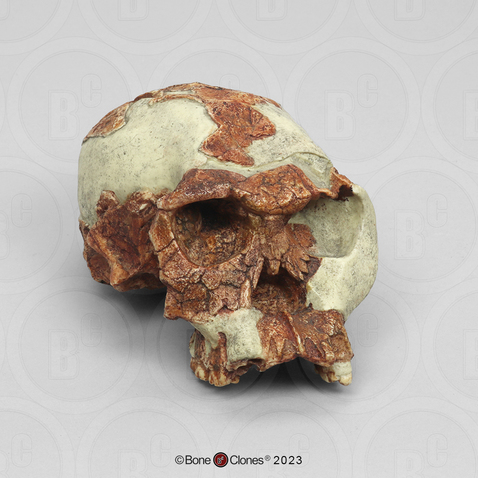
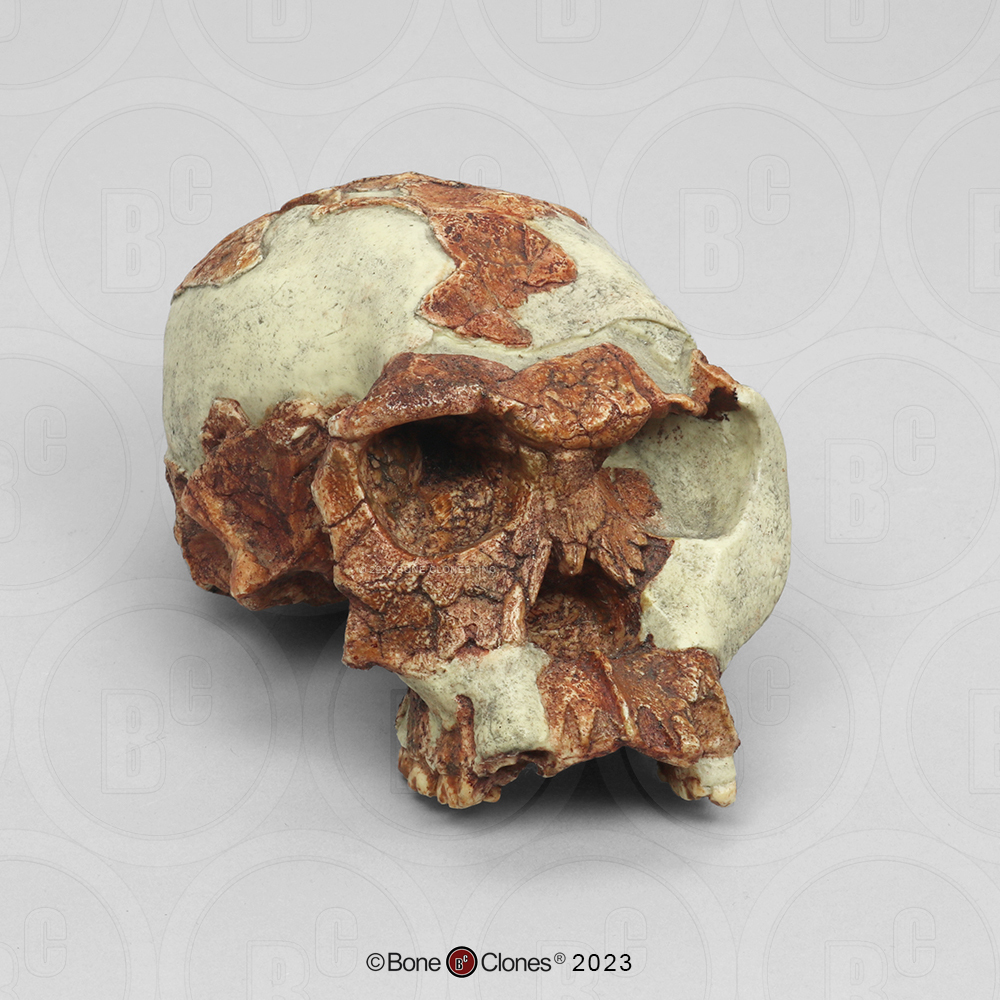
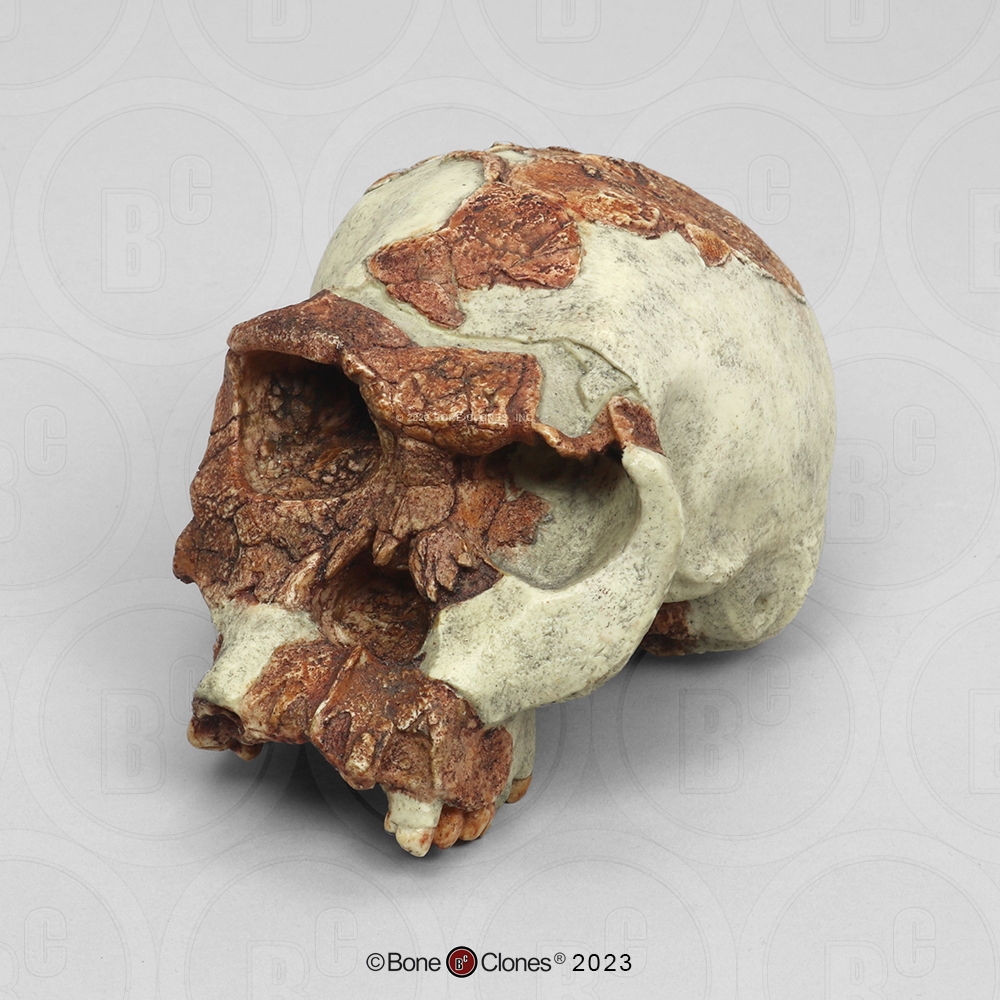
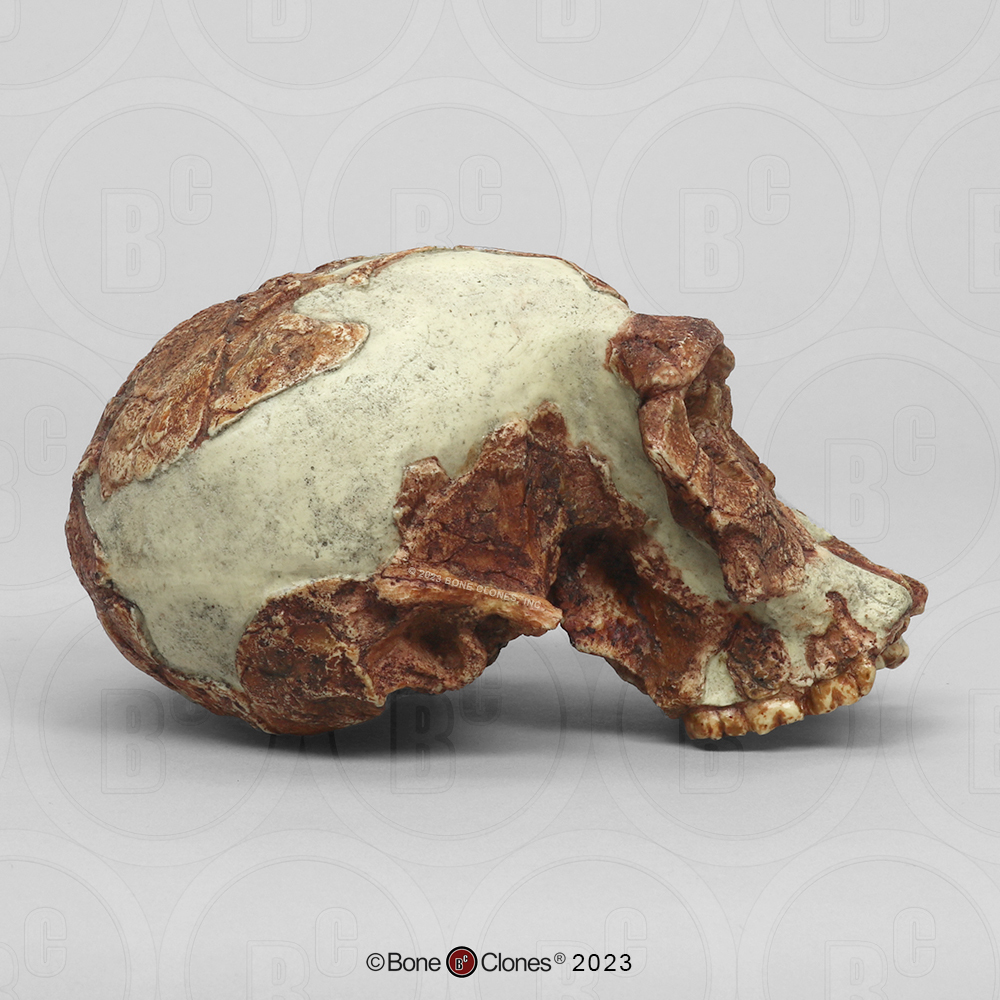
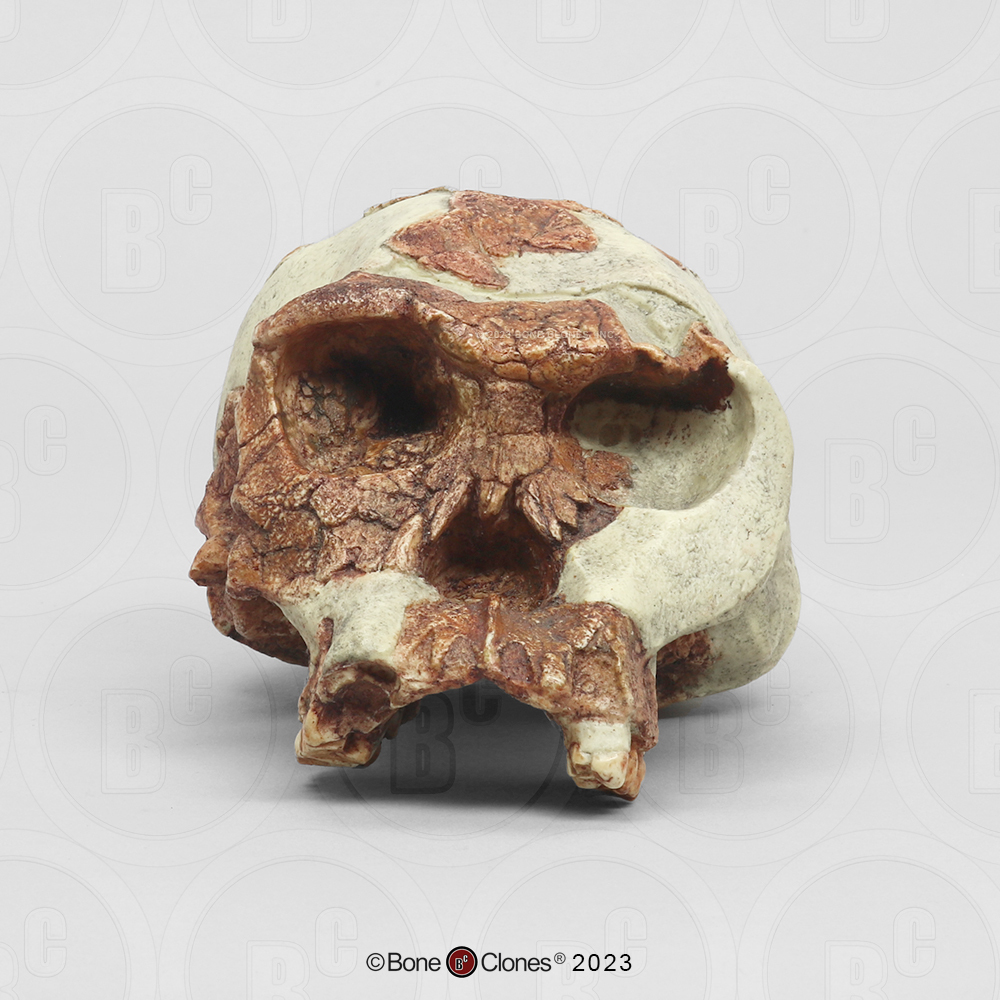
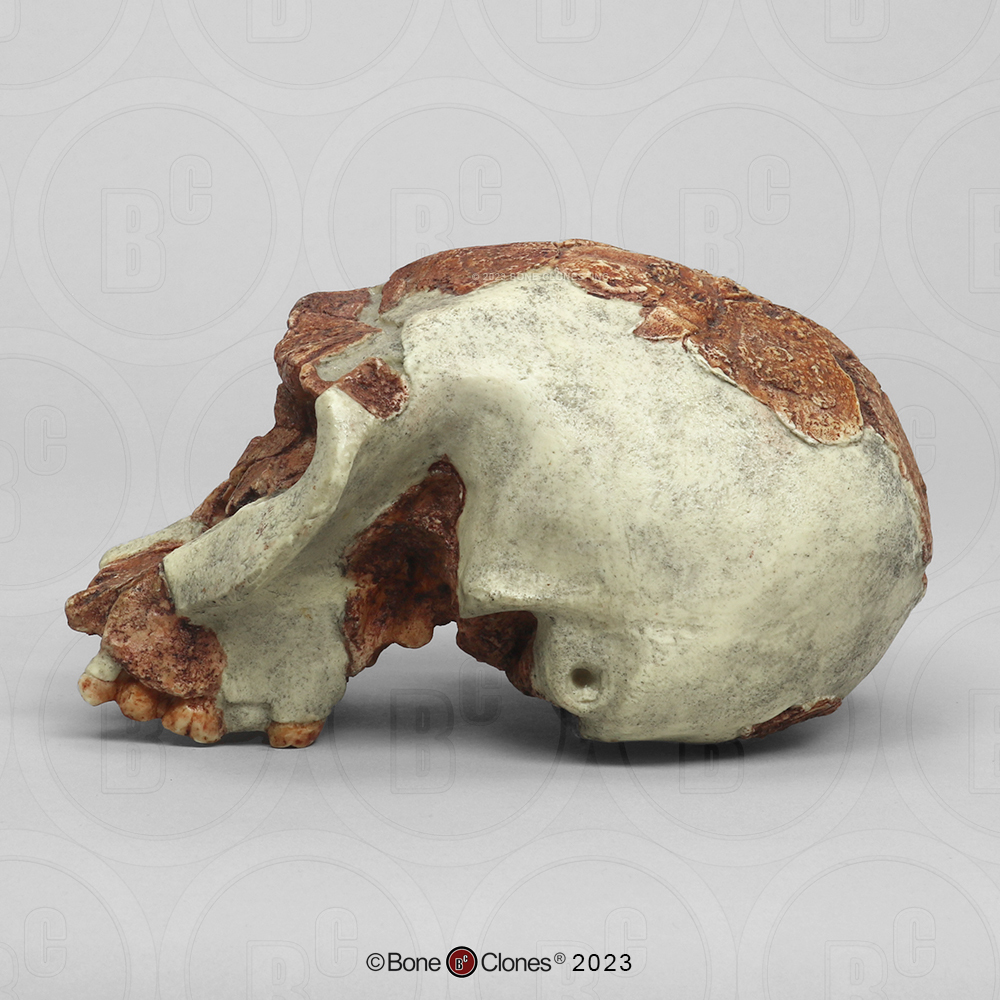
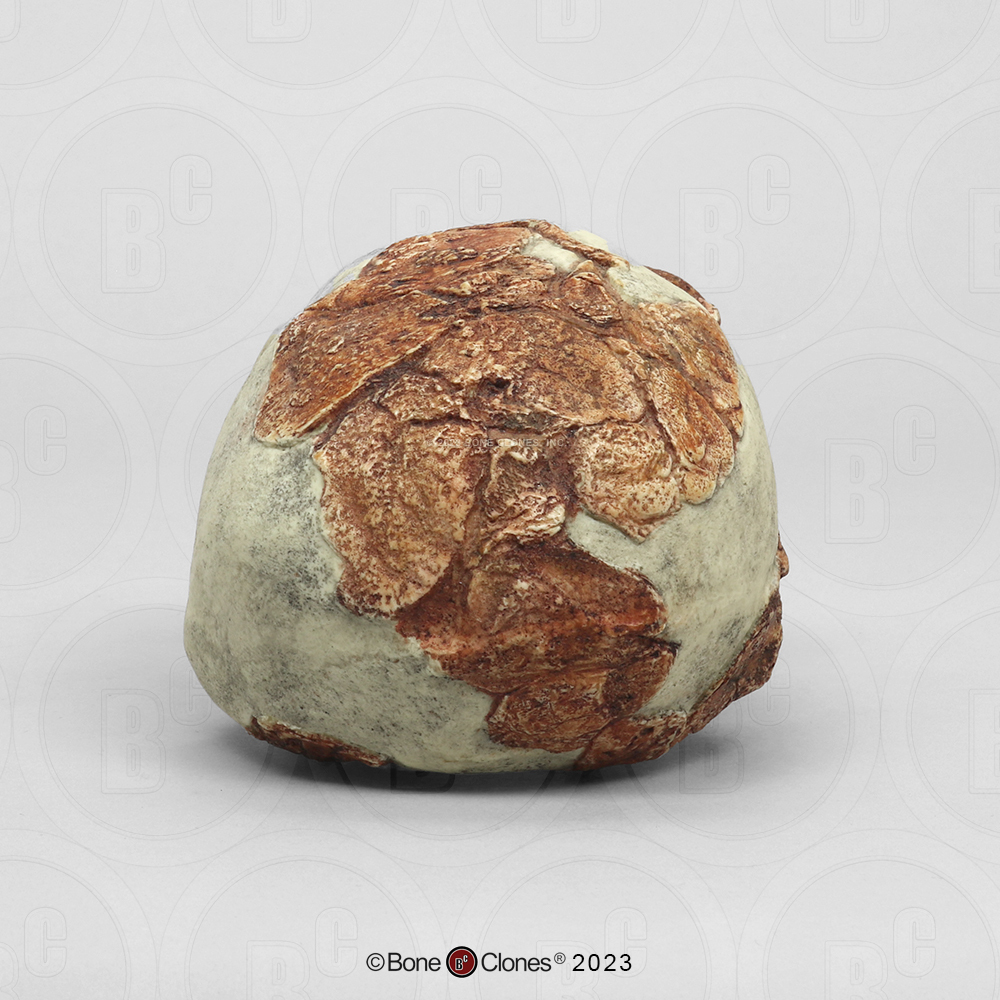
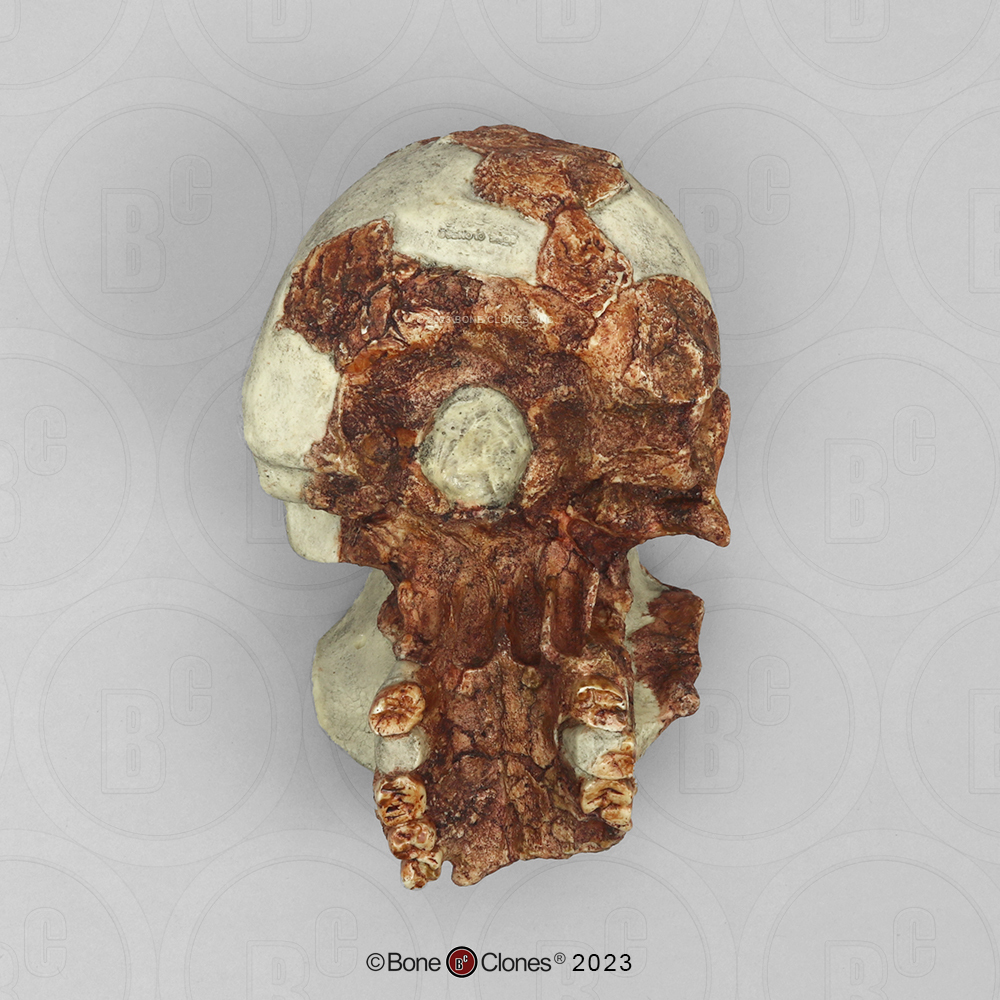
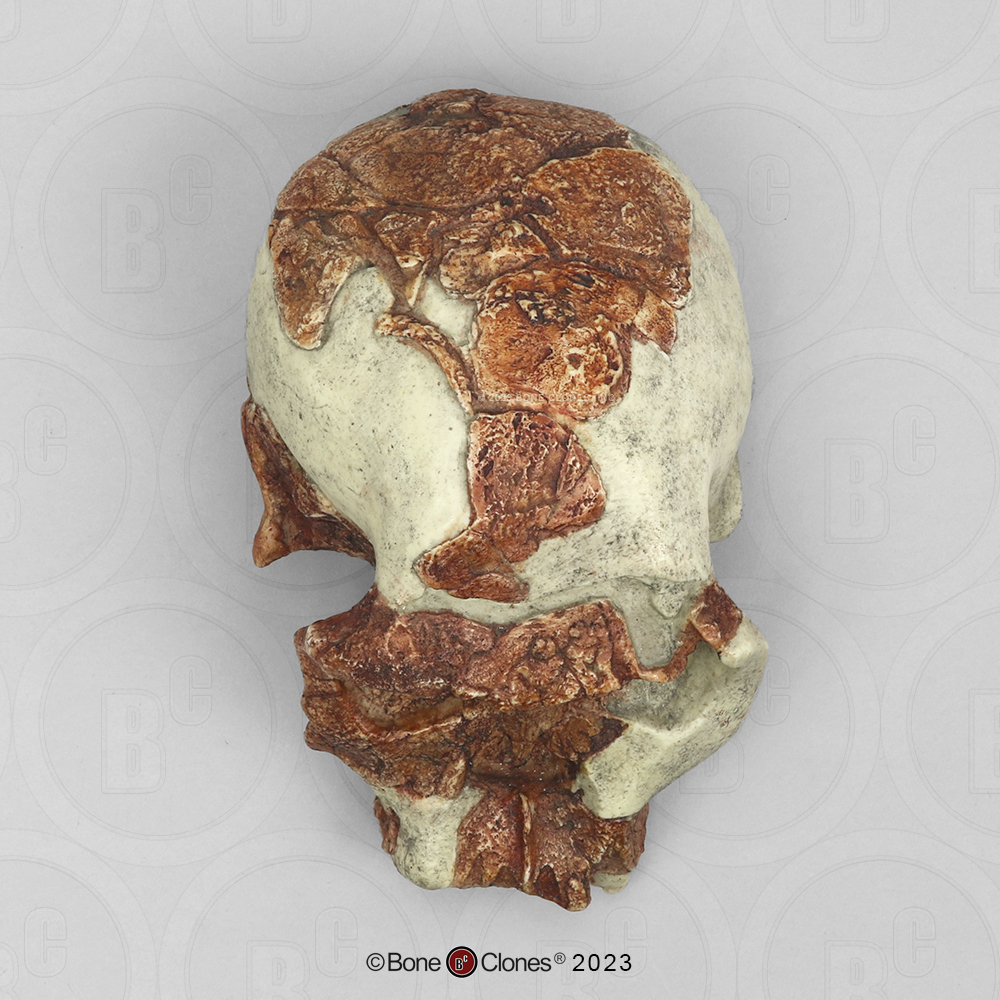
Homo habilis Cranium OH 24
BH-010 $246.00
1.8 MYA. The Homo habilis cranium OH 24 (KNM) was discovered by P. Nzube in 1968 and first described by M. Leakey, Clark, & L. Leakey in Nature in 1971. This nearly complete but badly crushed specimen represented the oldest hominid found in Olduvai Gorge, Tanzania, and supported the designation of the then controversial species of Homo habilis.
Originally, some scientists had resisted classification of Homo habilis as a new species, preferring instead to separate specimens into either A. africanus or H. erectus. Although OH 24 shares features of both species, there are marked differences. Its estimated cranial capacity of 600 cc is the minimum for classification as Homo, but the difficulties of reconstruction may have contributed to this small estimation. This individual possessed a larger brain than A. africanus, though smaller than H. erectus from China. The cranial bones are thinner than typical for australopithecines, and the braincase is wider and shorter. The facial profile of H. habilis slopes forward but projects less than in A. africanus. Some scientists believe that the range of variation of specimens once attributed to Homo habilis is too great to represent a single species; consequently, more than one species of early Homo may have lived at the same time in East Africa. Eruption of the 3rd molars suggest this individual was an adult, however they show little signs of wear, indicating that the individual must have died shortly after their eruption.
The Bone Clones® Fossil Hominid line is composed of discoveries from anatomically modern humans, archaic humans, early Homo, early hominins, and other hominids. The majority of the casts in this line have been recreated by our team of anatomical sculptors. Some are reconstructions made by anthropology professionals using fragmentary elements from original discoveries and extrapolating the missing parts from those (i.e. Neanderthal skeleton).
Custom display stand available below.
| Scientific Name | Catalogue # | Size | Price |
| Homo habilis | BH-010 | 7" L x 5" W x 4" H 18.3L x 11.6W x 10.1H (cm) | $246.00 |
Related Products:
-
 Ardipithecus ramidus Skull
 -
 Homo erectus Skull - Tattersall-Sawyer Recreation
 -
 Australopithecus afarensis Skull
 -
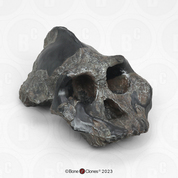 Paranthropus aethiopicus Cranium KNM-WT 17000
 -
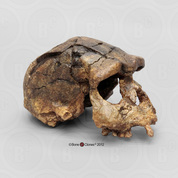 Homo erectus Cranium Sangiran 17
 -
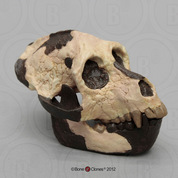 Aegyptopithecus zeuxis Skull
 -
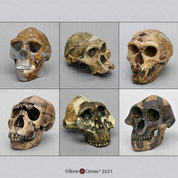 Fossil Hominins Set of 6 Skulls
 -
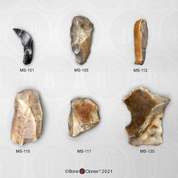 Set of 6 Neanderthal Mousterian Industry Tools
 -
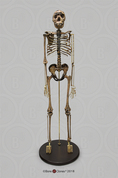 Homo ergaster KNM-WT 15000 Skeleton, Articulated
 -
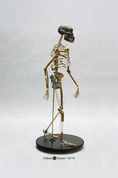 "Lucy" Skeleton, Articulated Walking
Newsletter Signup


9200 Eton Ave.
Chatsworth, CA 91311 USA
© 1992-2026 Bone Clones Holdings. All Rights Reserved.


Customer Service




© 2026 BONE CLONES HOLDINGS / Made by MEV